Local pros handle tree removal, trimming, and storm cleanup across Columbia and nearby Lexington, Irmo, and Forest Acres.
Call Get a free quote ShopColumbia sits in the humid subtropical zone where sandy loam topsoil overlays dense clay about two feet down. That clay layer holds water in spring and traps roots in summer, which stresses trees during our long hot stretches and sudden thunderstorms. Older neighborhoods like Shandon, Rosewood, and Elmwood Park have mature hardwoods and pines that need regular care, while newer developments near Blythewood and Lexington are planting fast-growing species that sometimes outgrow their space.
Our weather keeps us busy year-round. Summer storms bring high winds and lightning strikes, and we saw severe weather warnings throughout 2026 with gusts strong enough to snap branches and uproot shallow-rooted trees. The Congaree River floods low areas during heavy spring rains, and older homes built in the 1950s and 1960s often have large oaks and pecans close to foundations, driveways, and power lines.
Local pros work throughout Richland and Lexington counties removing hazardous trees, grinding stumps, and cleaning up after storms. Most jobs in Columbia run between typical costs of around $500 for a small pine removal to $2,500 or more for large hardwoods near structures. The city requires permits for removing certain trees in historic districts, and they can walk you through what's needed before the pro starts the work.
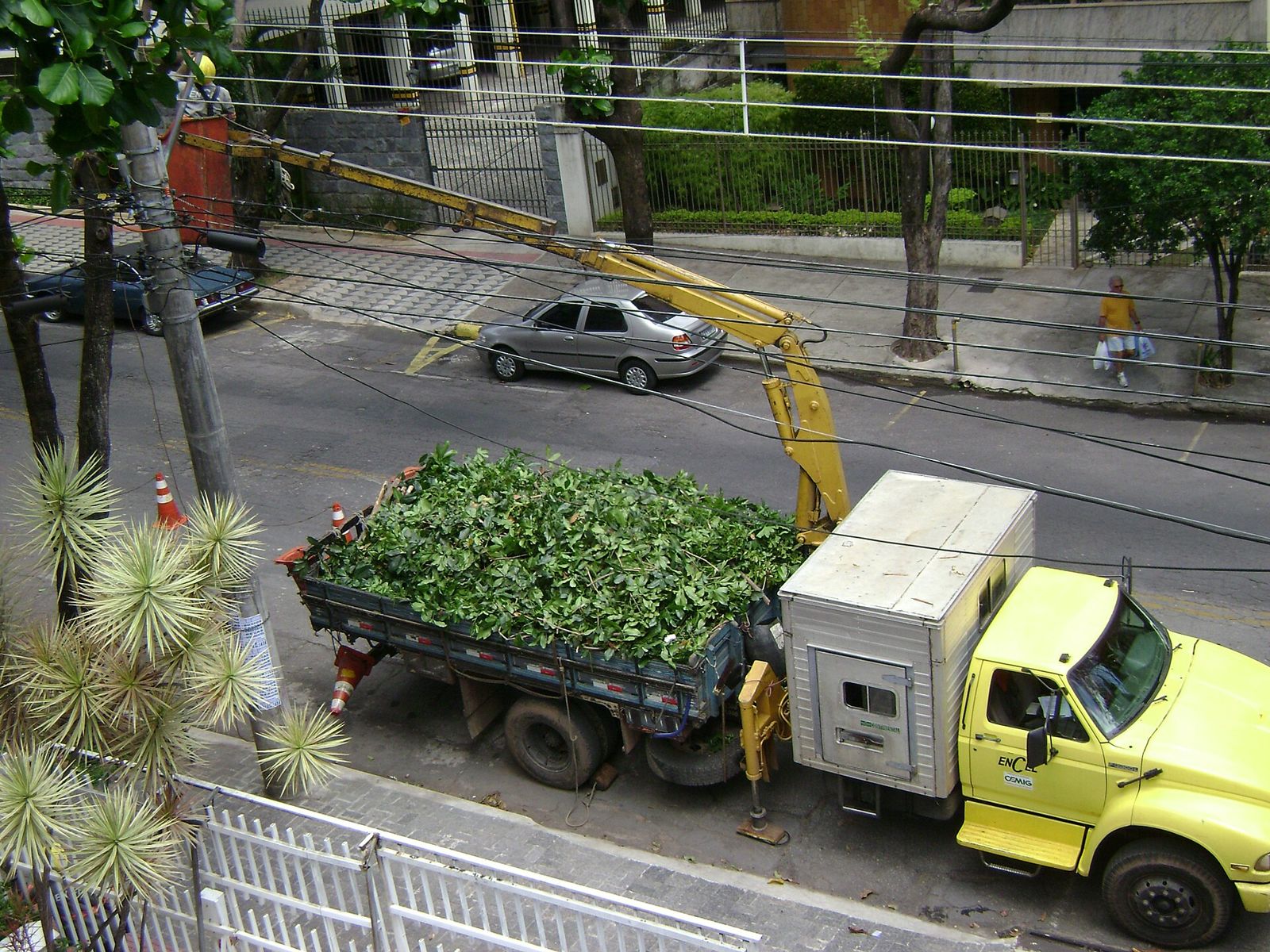
Local pros safely remove dead, dying, or hazardous trees of any size using ropes, rigging, and cranes when needed. Every tree comes down in sections to protect your property and landscaping.
Our grinder takes stumps down below grade so you can replant grass or landscape over the area. Local pros haul away the chips or spread them as mulch if you prefer.
Regular pruning keeps trees healthy and clears branches away from roofs, gutters, and power lines. Local pros remove deadwood and thin crowns to let wind pass through during storms.
When severe weather hits, local pros respond quickly to remove fallen trees and limbs from homes, driveways, and yards. Local pros work with your insurance company to document damage and get claims moving.
Trees don't wait for business hours to fall. Local pros offer emergency response for dangerous situations like trees on houses, blocking roads, or hanging over power lines.
Local pros clear overgrown lots and wooded areas for construction, landscaping, or fire safety. All debris is chipped or hauled away, leaving the site ready for your next step.
Columbia's sandy loam over clay soil and summer storm patterns mean trees fail in predictable ways. Local pros have worked through enough hurricanes, wind events, and drought cycles to spot trouble before it happens.
Tree work is dangerous, and local pros carry full liability and workers compensation coverage. You won't be on the hook if something goes wrong on your property.
Local pros give written estimates that break down the work and the cost. No surprises, no pressure, and no hidden fees when the job is done.
Local pros haul away every branch, log, and pile of debris when they leave. Your yard will look better than when local pros arrived.
Columbia's location in the South Carolina Midlands puts trees under constant stress. The soil profile here is typically sandy loam in the top 18 to 36 inches sitting over dense clay subsoil. That clay creates a perched water table during spring rains when the Congaree, Broad, and Saluda rivers run high, then restricts moisture during July and August droughts. Trees with shallow root systems struggle in these conditions, and species like pines, sweetgums, and Bradford pears become hazards during our severe thunderstorm season. Local pros saw multiple severe thunderstorm warnings in 2026 with wind gusts over 60 mph, and older neighborhoods like Arsenal Hill, Shandon, and Earlewood have mature canopies that shed large limbs during these events.
Housing stock in Columbia varies widely, with many homes in Rosewood, Elmwood Park, and the historic downtown areas dating back to the 1940s through 1960s. These properties often have large oaks, pecans, and magnolias planted close to foundations and over driveways that now require removal or heavy pruning. The city has permit requirements for tree removal in certain historic districts and for trees over specific diameters, so it's important to check local rules before starting work. Typical costs for tree removal in Columbia range from around $400 to $800 for small trees under 30 feet, $800 to $1,800 for medium trees up to 60 feet, and $1,500 to $3,500 or more for large trees over 60 feet or trees with difficult access near structures or power lines.
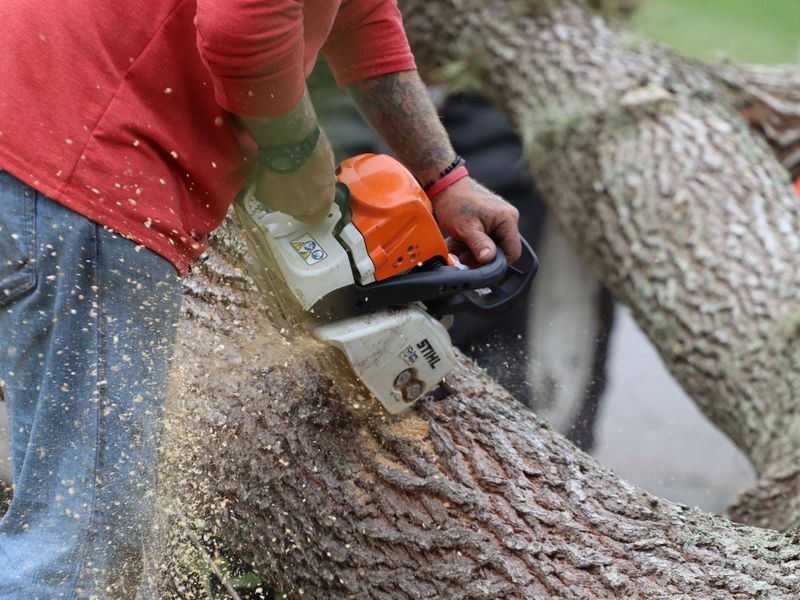
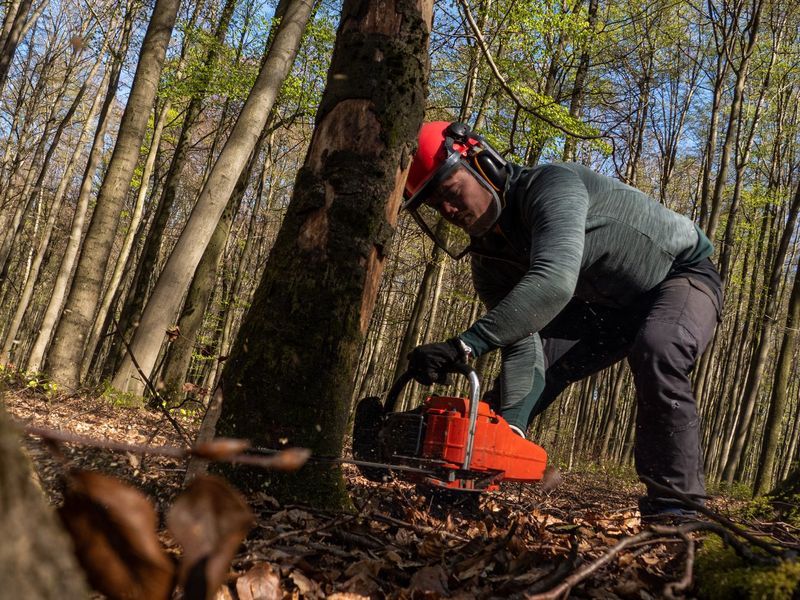
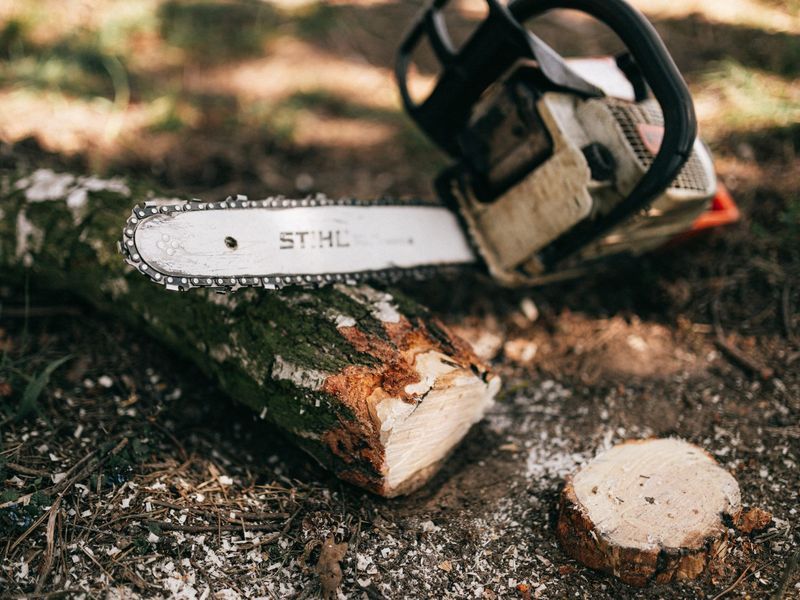
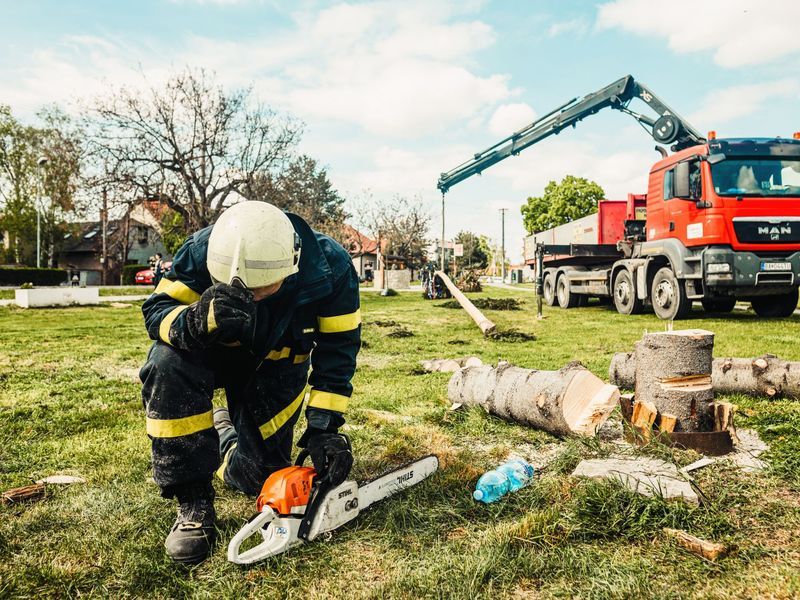
Most residential tree removals in Columbia run between typical prices of $500 and $2,500 depending on size, location, and complexity. A small pine or dogwood under 30 feet in an open yard might cost $400 to $800, while a large oak or pecan near your house, over power lines, or with limited access can run $2,000 to $4,000 or more. Stump grinding adds another $100 to $400 depending on diameter. What changes the price is how difficult and dangerous the work is. Trees that need to be climbed and rigged down in pieces cost more than trees a local pro can drop in one cut. Emergency storm work costs more because local pros are responding outside normal hours. Local pros give you a written estimate that spells out exactly what they will do and what it costs before any work starts.
Based around Columbia, South Carolina, local pros also take jobs in these nearby towns. Put your town on the form and they will tell you right away if the pro can help.
It depends on where you live and how large the tree is. Some historic districts and neighborhoods have rules about removing trees over a certain diameter, and the city requires permits in specific areas. They can help you figure out if your tree needs a permit before the pro starts the work.
Most single-tree removals take half a day to a full day depending on size and access. A small tree in an open yard might only take a few hours, while a large oak near your house with limited access could take a full day or more with rigging and careful sectioning.
Local pros chip smaller branches and haul logs to the dump or a wood recycler. If you want to keep firewood, a local pro can cut and stack it for you at no extra charge, or they can haul everything away and leave your property clean.
If the tree is touching active power lines, the utility company needs to disconnect or insulate the lines first. They coordinate with Dominion Energy or your local co-op to make sure the work is safe before the pro starts cutting.
Our sandy topsoil over clay subsoil means tree roots spread wide and shallow rather than deep. When severe thunderstorms bring high winds and saturated soil, shallow-rooted trees uproot easily. Species like Bradford pears and water oaks are particularly prone to failure in summer storms.
A leaning tree is not always dangerous, but it needs to be evaluated. If the lean is recent or getting worse, if you see exposed roots or cracked soil at the base, or if the tree is already dead or dying, removal is usually the safest option before the next storm pushes it over.
Tell us what you need and where. We usually reply within one business day. A photo helps a local pro give you a faster, more accurate quote.
No obligation and no pressure.
Columbia Tree Pros is an independent referral service that connects you with local tree service pros.
Open this site on your phone

Columbia Tree Pros
treeremovalcolumbiasc.us
Point your phone camera at the code